- Plot No. 813, Behind Ace City Sector 1, Greater Noida-201306
- 24x7 Available For Your Care
- +91 83838 00553
Why Nix Hospital
Best Hospital in Greater Noida West and Top Hospital in Noida Extension
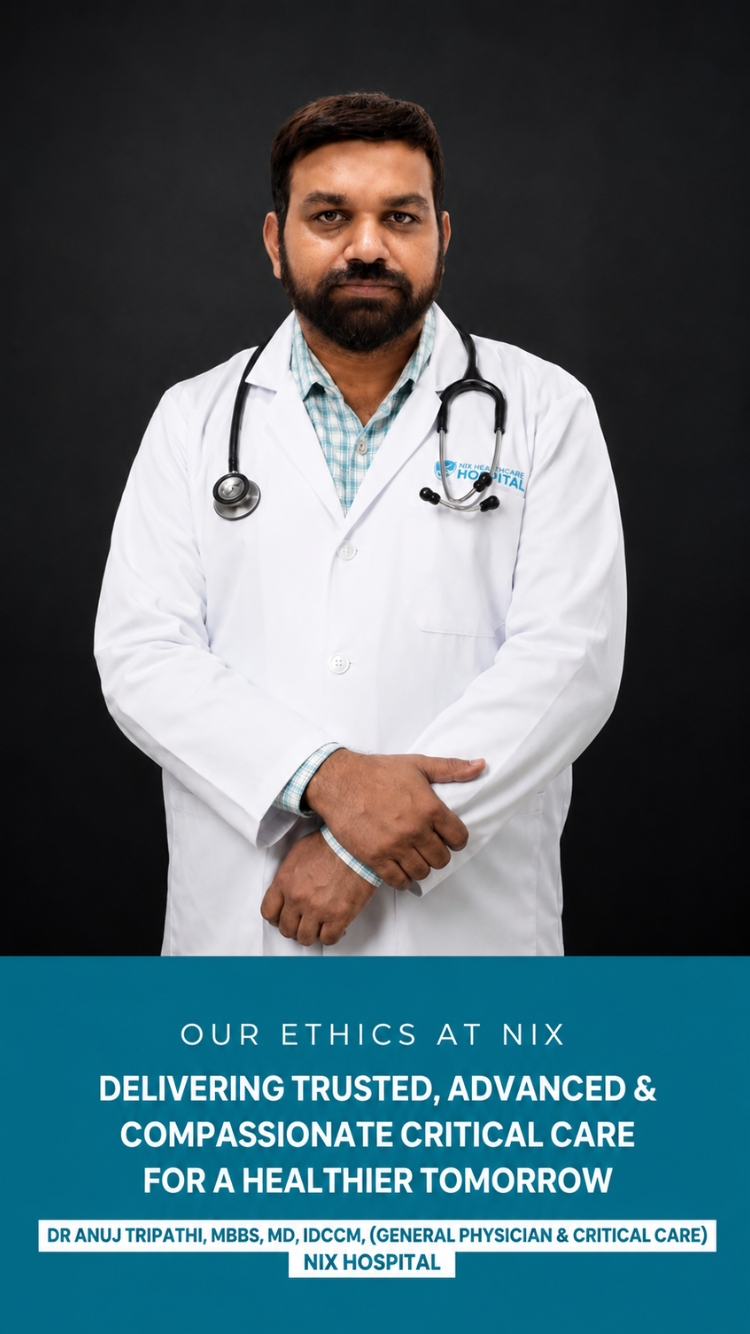
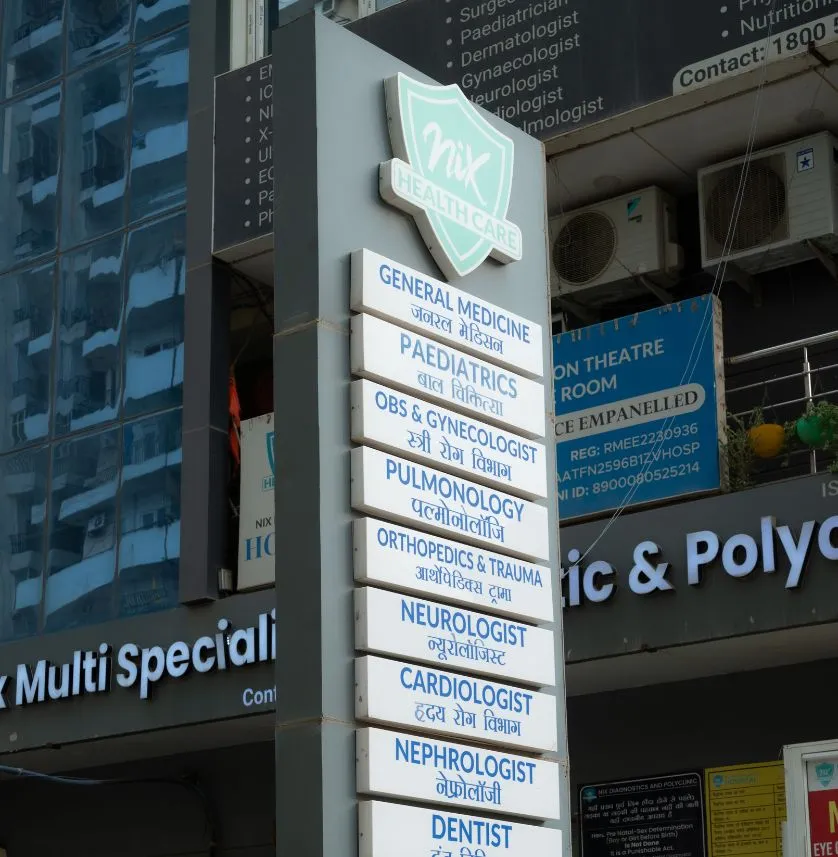
Nix Hospital is NABH Certified and the best hospital in Greater Noida West, which is known for its excellent medical care and treatment. Nix Hospital ranks among the top hospitals in Greater Noida West with a world-class Operation theater, ICU, and NICU. We offer the highest standard of Multi-Speciality health care services in General Medicine, Radiology, Neurosciences, Obstetrics and Gynecology, Pulmonology, Urology, Nephrology, Pathology, Neonatology, Dentistry, Pain Management, and that's just the beginning. The Emergency and Trauma Center is equipped to handle emergencies at Nix Health Care. If you are looking for the best hospital in Noida Extension, in that case, Nix Health Care Hospital stands out among the top 10 hospitals in Greater Noida, where you get the best medical care and treatment by the highly experienced team of doctors, nursing staff, and medical staff. Nix is dedicated to providing you with world-class treatment at an affordable price.
If you are searching for the best hospital near Noida Extension or Best Hospital in Bishrakh, Greater Noida, then Nix Hospital is your best choice. Nix Hospital comes under the top 10 hospitals in Noida Extension and is the best multispeciality hospital in Greater Noida West.
Warning: Trying to access array offset on null in /home/u447729241/domains/nixhealthcare.org/public_html/index.php on line 424
Warning: Trying to access array offset on null in /home/u447729241/domains/nixhealthcare.org/public_html/index.php on line 425
Warning: Trying to access array offset on null in /home/u447729241/domains/nixhealthcare.org/public_html/index.php on line 426
Warning: Trying to access array offset on null in /home/u447729241/domains/nixhealthcare.org/public_html/index.php on line 427
Warning: Trying to access array offset on null in /home/u447729241/domains/nixhealthcare.org/public_html/index.php on line 428



















Blogs
Latest News
Explore our latest blogs for expert tips, insights, and guidance on staying healthy and preventing common health issues.
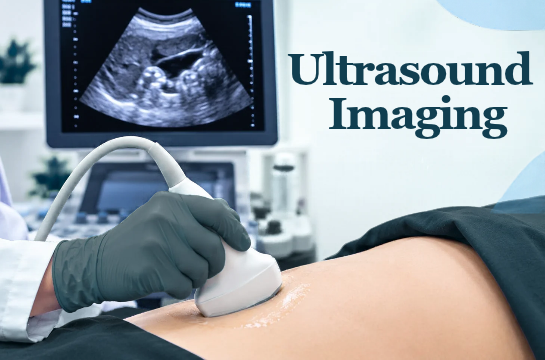
Ultrasound
Continue Reading
Sonography: A Safe and Effective Way to Understand Your Health
Your health deserves the right care, accurate diagnosis, and timely medical a...

Gynecologist
Continue Reading
Find the Best Gynecologist in Greater Noida West – Expert Care for Every Woman
Finding a trusted gynecologist in Greater Noida West is essential for women&r...
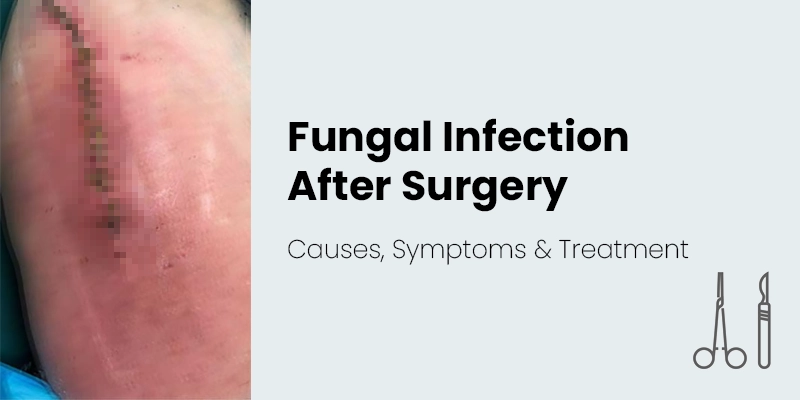
Fungal Infections After Surgery: Warning Signs, Causes, Treatment & Prevention Tips
After surgery, the body is in a delicate healing stage. While most patients r...


25,000 Happy Patients

Modern & Cost-Effective Medical Facilities

19 Medical Specialties