.webp)
What is Fatty Liver?
Fatty liver, also known as hepatic s...


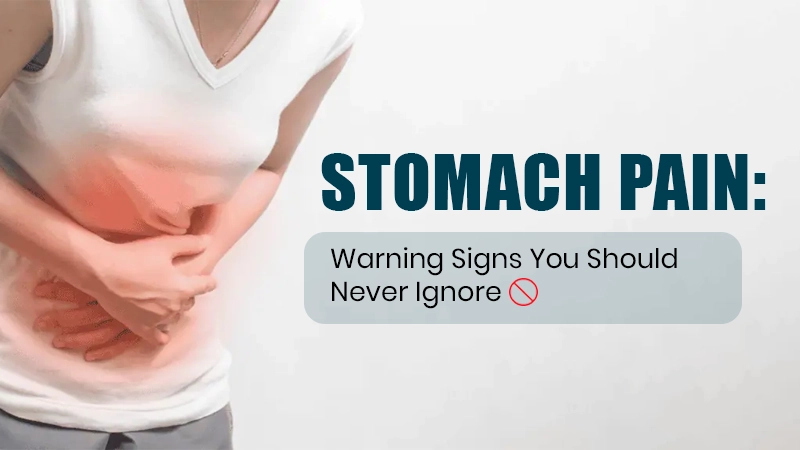
Stomach pain (abdominal pain) is one of the most common health issues people experience. It can feel like a dull ache, sharp cramp, burning sensation, or pressure in the abdomen. While many cases are harmless and temporary, some types of stomach pain may indicate a more serious medical condition that needs immediate attention.
1.Indigestion (Dyspepsia)
Eating too quickly
Spicy or oily foods
Overeating
Stress or anxiety
Symptoms: Burning in the upper abdomen, bloating, gas.
2. Gastritis or Acid Reflux
Inflammation of the stomach lining or excess stomach acid can cause pain.
Symptoms: Burning pain, nausea, sour taste, chest discomfort.
3. Gas & Bloating
Gas buildup in the stomach or intestines can lead to pressure and cramping.
Symptoms: Sharp cramps, fullness, belching, passing gas.
4. Food Poisoning or Stomach Infection
Eating contaminated food or water may cause sudden stomach cramps.
Symptoms: Vomiting, diarrhea, fever, dehydration.
5. Constipation
Hard stools or irregular bowel movements can lead to pain and bloating.
Symptoms: Difficulty passing stool, discomfort, heaviness.
6. Ulcers
Open sores in the stomach lining caused by bacteria or long-term painkiller use.
Symptoms: Burning stomach pain, especially on an empty stomach.
7. Appendicitis (Emergency)
Inflammation of the appendix causes severe pain on the lower right side.
Symptoms: Intense pain, fever, loss of appetite, nausea.
Requires immediate medical attention.
8. Gallstones
Hard deposits in the gallbladder may block bile flow.
Symptoms: Severe upper-right abdominal pain, nausea, back pain.
9. Irritable Bowel Syndrome (IBS)
A chronic digestive condition linked to stress, sensitivity, or diet.
Symptoms: Cramping, bloating, diarrhea/constipation.
Stomach Pain – Frequently Asked Questions (FAQ)
1. What causes stomach pain?
Stomach pain can occur due to indigestion, acidity, gas, infections, constipation, ulcers, food poisoning, IBS, appendicitis, or gallbladder problems. The exact cause depends on the location and type of pain.
2. When should I worry about stomach pain?
You should see a doctor if stomach pain is severe, lasts more than 24–48 hours, or comes with fever, vomiting, blood in stool, dehydration, or pain on the lower right side.
3. Can stomach pain be serious?
Yes. While many cases are mild, conditions like appendicitis, ulcers, or gallstones can cause serious complications if ignored. Always consult a doctor for persistent or worsening pain.
4. What helps relieve stomach pain at home?
Warm water, light meals, ORS, ginger tea, avoiding spicy foods, and using a warm compress may help relieve mild stomach pain. Avoid self-medication if the pain is intense or unusual.
5. What foods should I avoid during stomach pain?
Avoid oily, spicy, fried foods, caffeine, alcohol, carbonated drinks, and heavy meals. Opt for soft foods like bananas, toast, rice, curd, and clear liquids.
6. Can stress cause stomach pain?
Yes. Stress and anxiety can increase stomach acid and affect digestion, leading to cramps, bloating, and IBS-like symptoms.
7. Is stomach pain linked to acidity?
Acidity or acid reflux is a common cause of upper abdominal pain. It often feels like burning, discomfort, or bloating, especially after eating.
8. Can stomach pain be due to gas?
Yes. Gas buildup can cause sharp cramps, bloating, and pressure in the abdomen. It usually improves after passing gas or a bowel movement.
9. How do doctors diagnose stomach pain?
Diagnosis may include physical examination, blood tests, ultrasound, endoscopy, stool tests, or imaging depending on the symptoms and severity.
10. Which doctor should I consult for stomach pain?
You can consult a General Physician first. If needed, they may refer you to a Gastroenterologist for further evaluation.
What is Fatty Liver?
Fatty liver, also known as hepatic s...
Dengue fever is a common mosquito-borne illness that affects millions of peop...
When it comes to your health, finding the Best General Physician in Noida is ...
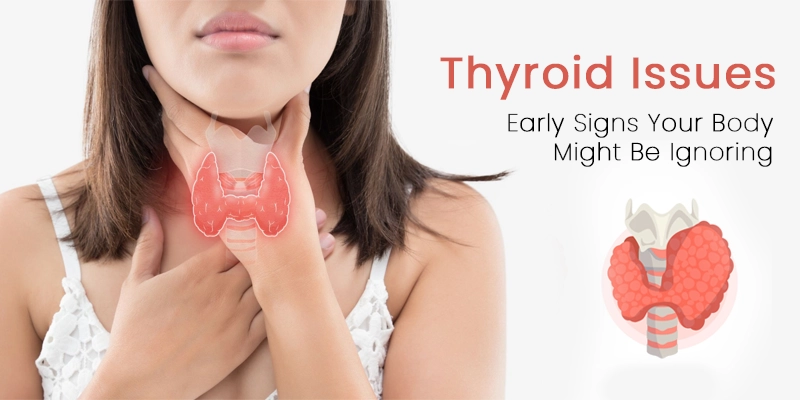
The thyroid gland may be small, but it has a big impact on your overall healt...
Maintaining healthy kidney function is essential for overall wellness. One of...
Stomach pain (abdominal pain) is one of the most common health issues people ...
ठंड के मौसम में फेफड़ों को रखà¥...